

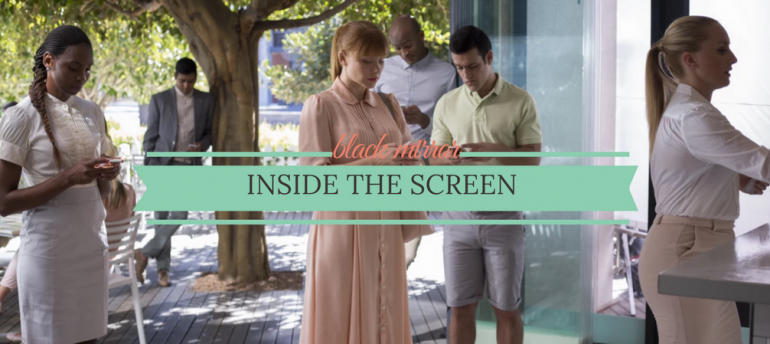
The series that started on Channel 4 and ended up on the world’s largest streaming platform – Netflix, of course – is probably one of the most intricate and well-thought tv shows we have seen in a long time. We consider ourselves to be avid consumers of any series Netflix puts out, however, even if you are not that into tv shows, once you see the Black Mirror series it is inevitable to fall in love with the wondrous worlds created by the production design team. Each set is thoughtfully conceptualized and built to immerse us in a dystopian version of our own realities, making this tv series the world wide phenomenon it is cutting out to be.
From a world where people live by rating each other out of five, or a seemingly normal 80’s suburban world where people just go out to have a good time, nothing is ever what it seems, and production designer Joel Collins is the man behind all this. Let’s discover his thrilling world!
SEE ALSO: Inside the Screen: All About Game of Thrones Set Designs!
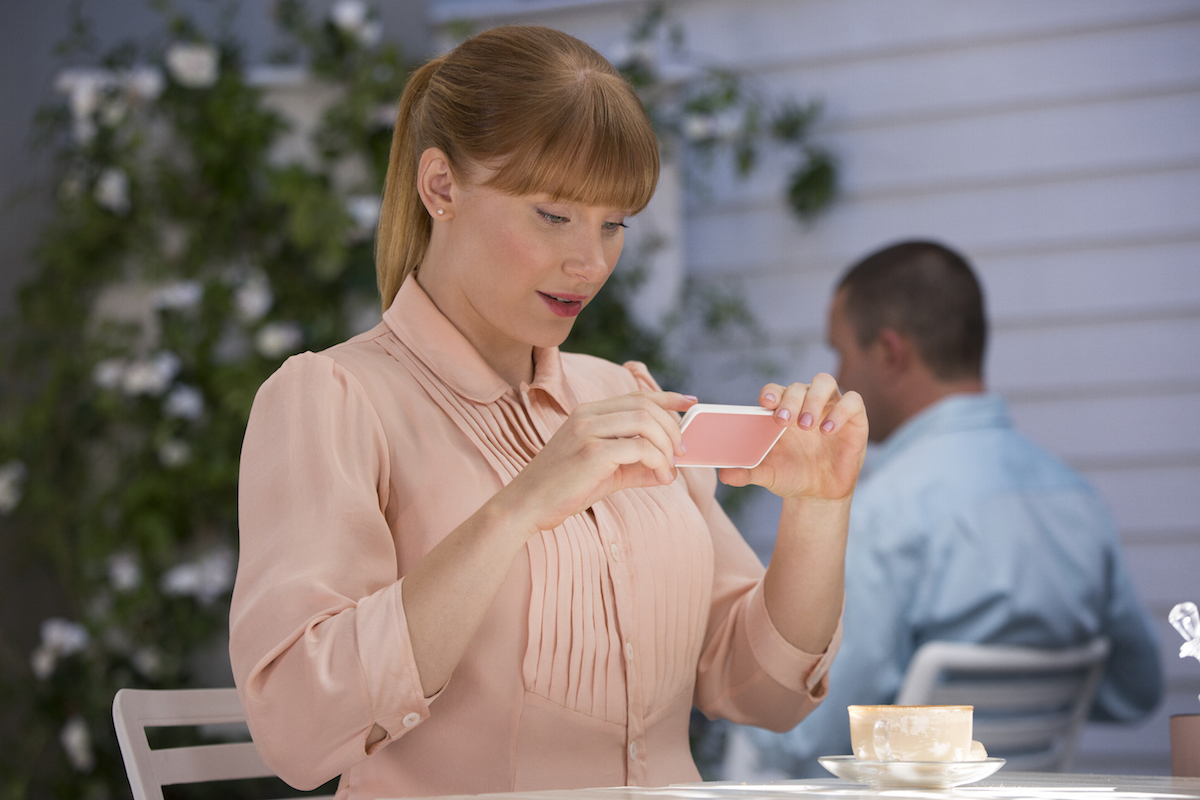
Painting Practice is the London-based design studio responsible for creating the thrilling worlds of the Black Mirror series. Each episode is a new challenge for the design team which creates every piece from scratch, building real-life 3D models of the many props the actors use throughout the series. The way it works is, when a new series is being thought, Painting Practice co-founder Joel Collins, art director Robyn Paiba and graphic designer Erica McEwan work with the series creator, Charlie Brooker, and executive producer Annabel Jones to decide upon which concept will guide each episode.

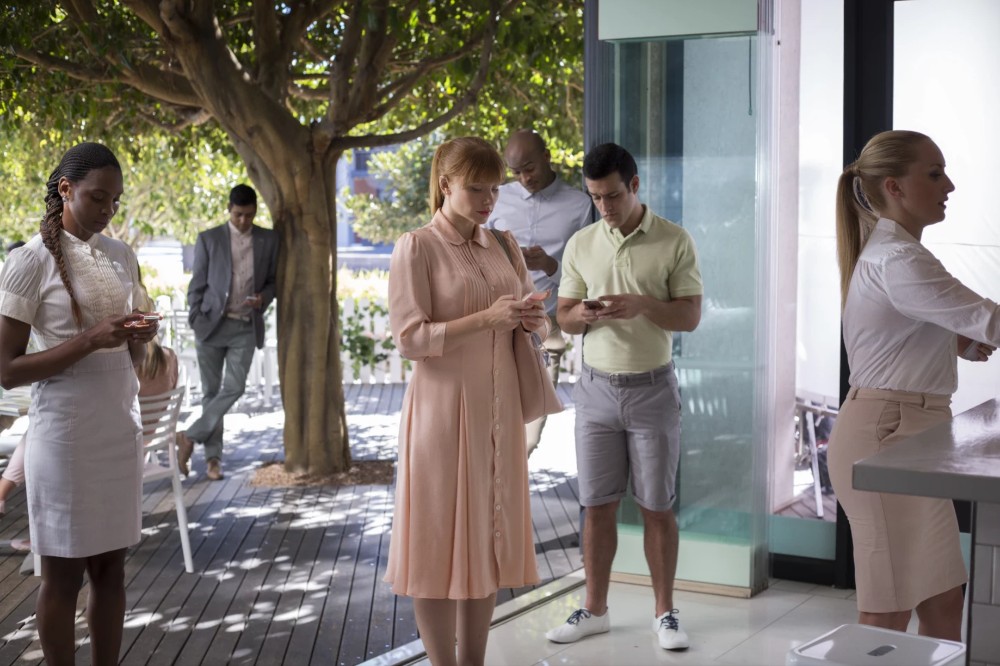
For one of the Black Mirror series most iconic episodes, Nosedive with the stunning Bryce Dallas Howard, the production design team had to find the perfect location. They wanted to convey the feeling of the LA lifestyle, but without having to actually shoot in LA. “We wanted to film it somewhere with an LA-style feel,” said Collins. “I found a small island about an hour out of Cape Town, which was almost like a fake version of America. When Joe Wright [the director] came on board, we offered it up as a vision for how the tone of the show could work. He flew out there and loved it, so we used it as the basis to construct this Truman Show-esque, Pleasantville-style, perfect-imperfect America.”

Other episodes might seem a little bit more far-fetched and lived in a reality further away from our own. However, that doesn’t mean we don’t believe what we are seeing. The beauty of production design is to make what we are seeing believable. And this shows definitely does that! You might remember the episode where people were forced to live in small capsules, having to cycle all day to get fake money and get the chance to participate in a twisted talent show. Weird, right? At least when you think about it like that. But what the Painting Practice team does is trying to visualize what alternative futures might look like, and then just go from there, testing with 3D models of each prop and technology that will be used in that particular episode. “It’s about trying to be original and fresh each time,” Collins explains. “Trying to project possible futures as clearly as you can, with touches of originality.”



Other episodes, such as ‘Shut Up and Dance’ and ‘San Junipero’ look absolutely ordinary from the outside. But, knowing the Black Mirror series as we do, we know from the get go that that doesn’t mean there won’t be a fantastic twist somewhere during the episode. The beauty of these two episodes (although ‘beauty’ might not be the best word to describe the first one) is how normal and close to our daily lives the sets look.
In ‘Shut Up and Dance’, all the characters drive normal cars and wear normal clothes and live in normal houses in a small suburban English city. But everything from clothing to the colors used on the protagonist’s bedroom walls is carefully considered to create the desired emotional effect we get at the end.
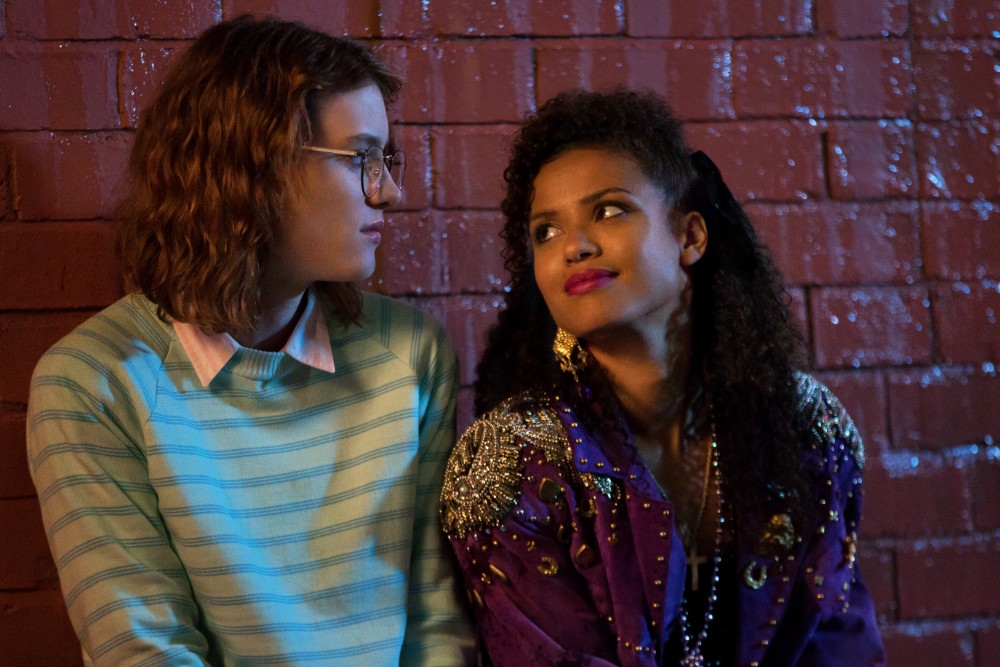
On the other hand, ‘San Junipero’ is an 80’s resort-themed episode. What we later find out to be an electronically created world, is inspired by the iconic movies of the 1980s decade. Much like Collins explained in an interview, “if I was the person designing the world in that film, I would have used movie references … if you’re designing this world 30 years in the future, the likely thing to do would be to research things online and watch movies.” Using these references enabled the director of that episode to play with its viewers’ emotions and actually change the way they might look at this episode. It created a sense of familiarity and… normalcy, which left people guessing until the final twist was revealed…
Photos © All the photos belong to Netflix.
GET THAT BLACK MIRROR SLEEK LOOK
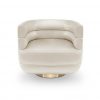
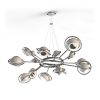
You can learn more about these products HERE and HERE.
READ MORE: Inside the Screen: The Handmaid’s Tale TV Show Incredible Set Design
You can visit our Pinterest boards in order to get more inspirations. Get more ideas for your projects and find functional, stylish and sizable lighting and furniture choices. Make sure to download our ‘Interior Design Tips for a Well-Lit Home‘ eBook!



