


Fargo TV Show is now on its 3rd season and with the uncertainty of whether there will be a fourth season or if this is it for the crime-thrilling tv series, we have decided that this was our chance to talk about their incredible production design. With its first and third seasons happening during our contemporary days of the 2000’s, what really captured our attention was the work done by the production design team during Fargo’s second season, set in the late 1970s. Aficionados as we are by the mid-century modern design world, we couldn’t pass on this opportunity to share with you how well the show has captured that 70’s feeling that we love so much.
MORE TV SHOWS: Inside the Screen: Get to Know the Stunning House of Cards Decor
Shot in Alberta, Canada, Fargo’s second season serves as a prequel to the tv show’s first season, and it tells the lives of a young couple – Peggy and Ed Blumquist – as they attempt to cover up the hit and run and murder of Rye Gerhardt. Set in 1979, the production design team took as their challenge to recreate a time of modernism, when architecture and especially interior design were beginning to appear as major disciplines. Details are everything in the Fargo world, so it only makes sense that when stepping inside the screen, we would want to keep an eye out for every little element places in the scenes.
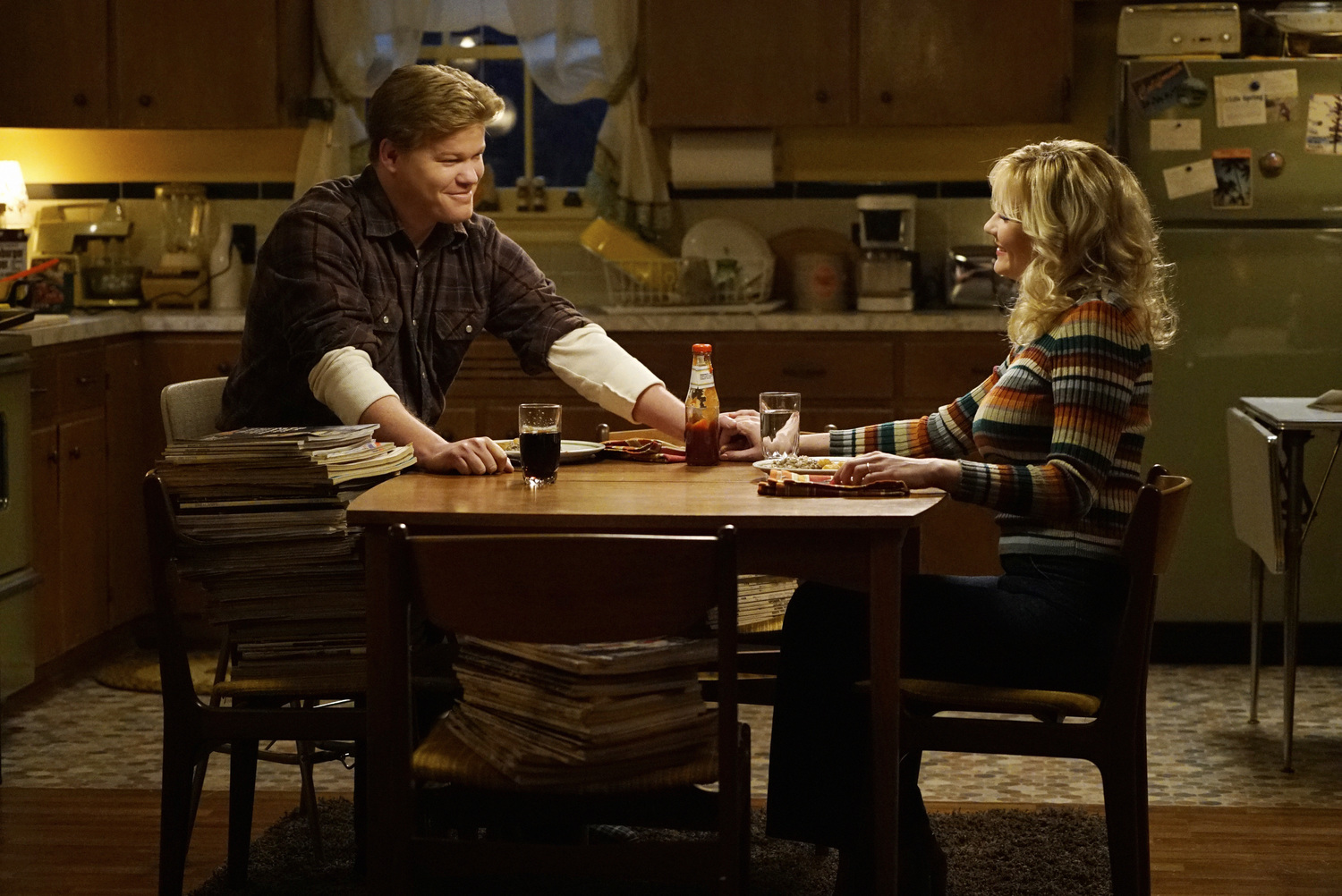
Layers are everywhere in the Fargo tv show sets. Each object that we see on the screen is carefully chosen and placed by the set decorators to add depth and texture to the story. “Everyone’s aware, as we go along, of the world Noah [Hawley] has built for us, and he’ll come to set designer Darlene Lewis and say, ‘That was a great touch,’ because she’s picked up on a thread and put something in the background.”

Some of the sets we can see during the show are actually risky choices made by the production design team, in an attempt to capture the character’s most important and deep personality traits. One of these sets is actually Peggy’s living room, where we can see a bright orange carpet under a green sofa. Given how some colors don’t always translate so well through the camera, the orange shag would have been an awfully big job to fix in post-production if it didn’t work out. And if you’ve watched the series, you know that given Peggy’s personality and her character’s desire to reach for something more, the carpet color was a risk Peggy would have taken to make Ed’s family home her own.

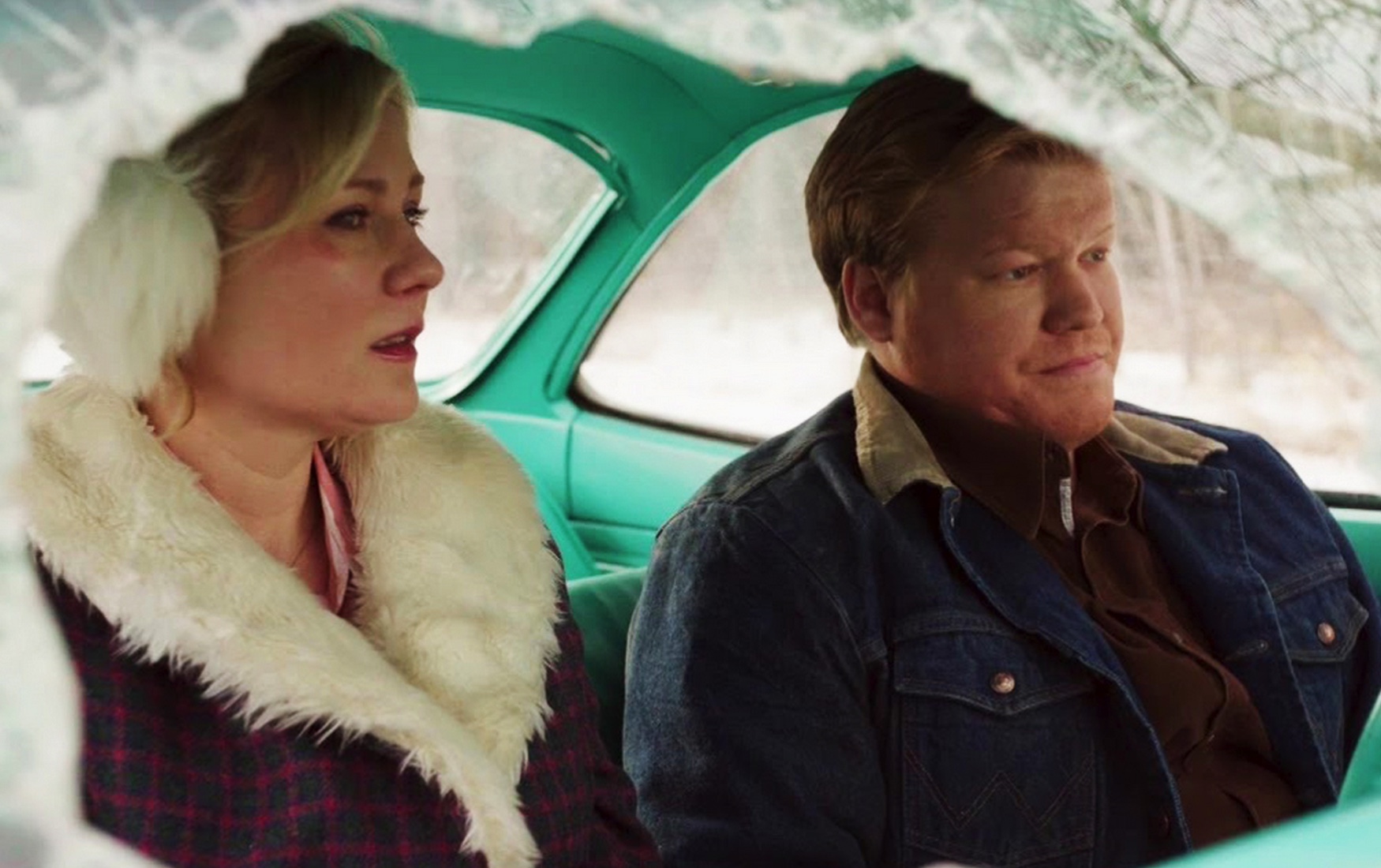
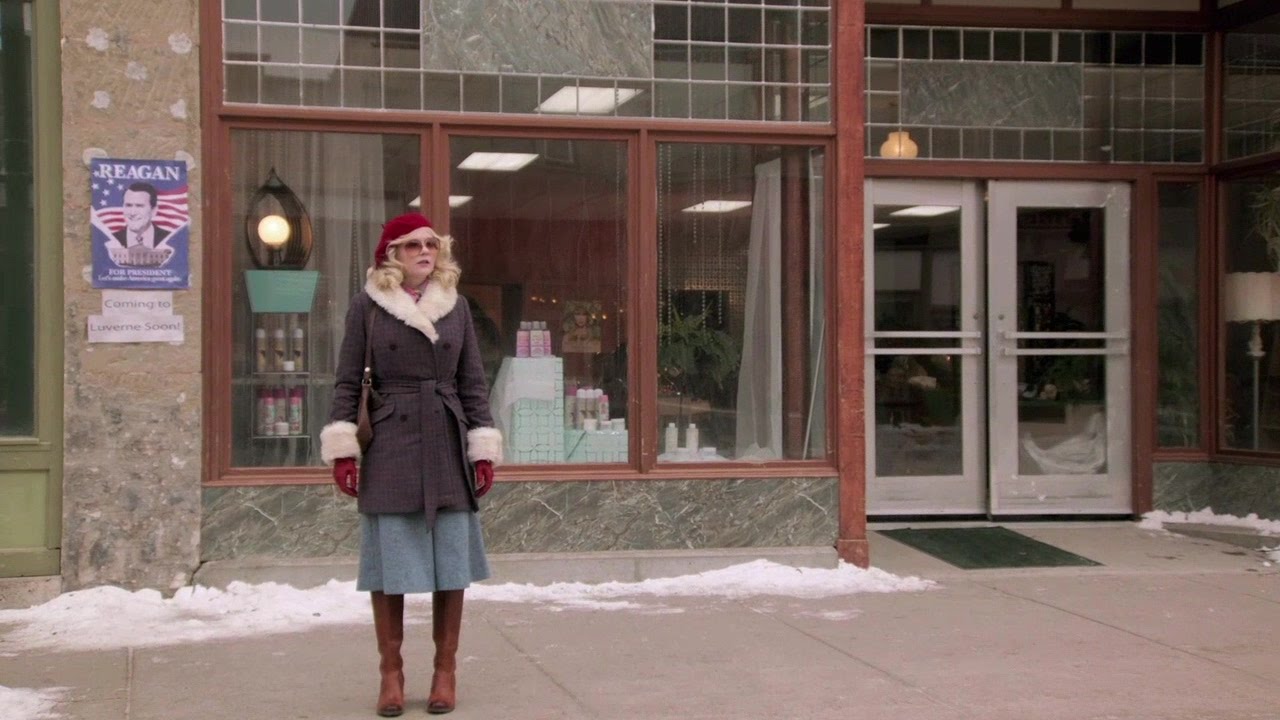
Another great detail that the production design team took into account where colors. Colors can pretty much make or break a good set, they are what stay on the viewer’s mind and, together with light, they help to create the right atmosphere for a scene. The designers chose to use colors that were time appropriate, with a lot of pastels, tangerine and avocado greens happening a little bit all over the series. This can be seen in the two stills we’ve chosen, which you can see above.

Much more than the set’s design itself, the actual set is also very thoroughly thought. A set usually originates from a simple line in the script, and then the location department searches for an exterior of a structure, which then requires approval from the showrunner, designer, and director. Once an exterior location is confirmed, set designer Warren Young draws up a plan for the interior, which must logically match the outside of the house or building for continuity’s sake. This takes up a lot of time from the production design team, but in the end, we get sets that just feel more real and make a more compelling story line. It’s choices like these that allow the set to serve not only a logistical function but a thematic one as well.
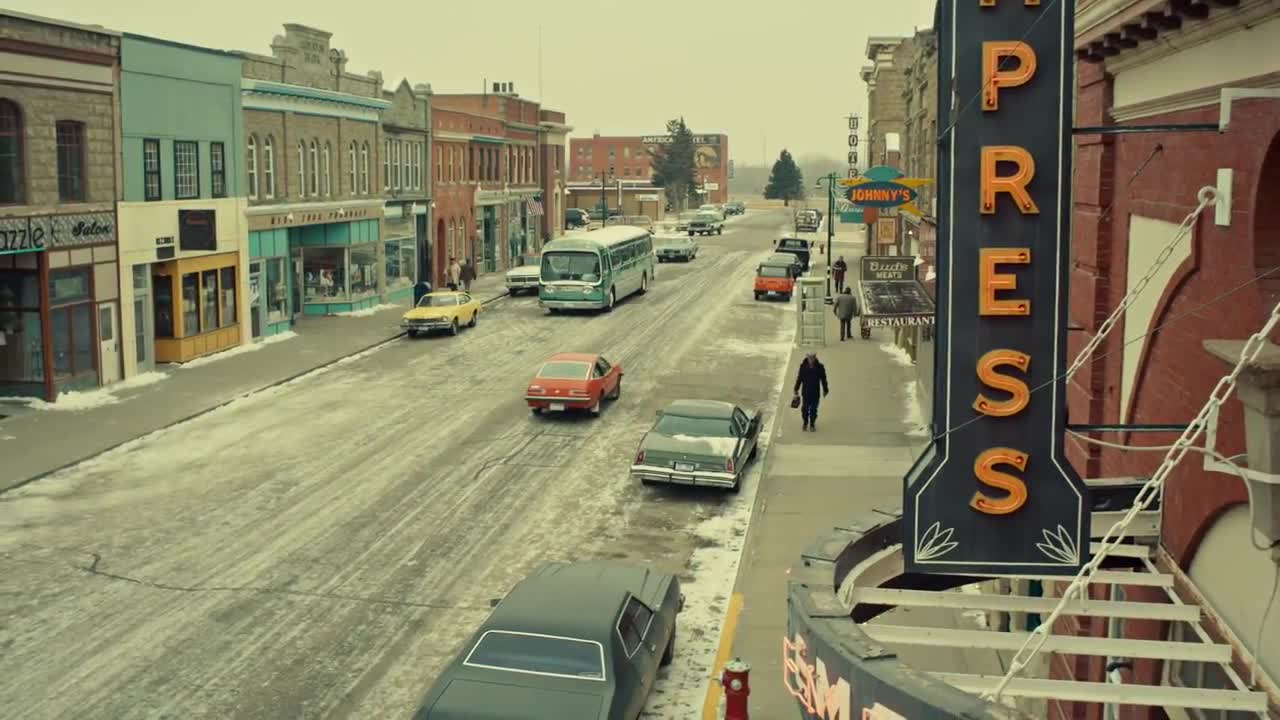
All in all, the real challenge for production designer Warren Alan Young was to create that 70’s prairie noir look that the series creator was looking for. Young and its team had to “create a world that looked, sounded and smelled exactly as if you were living in Luverne, Minnesota in 1979.” To make this work just as wonderfully as we now know it did, they “had to look for the things that people in this part of the country during that time would have found in their homes and schools and offices”, making Fargo one of the best-produced tv shows of all time.
Photos © FX
GET THE 70’S FEELING IN YOUR HOME
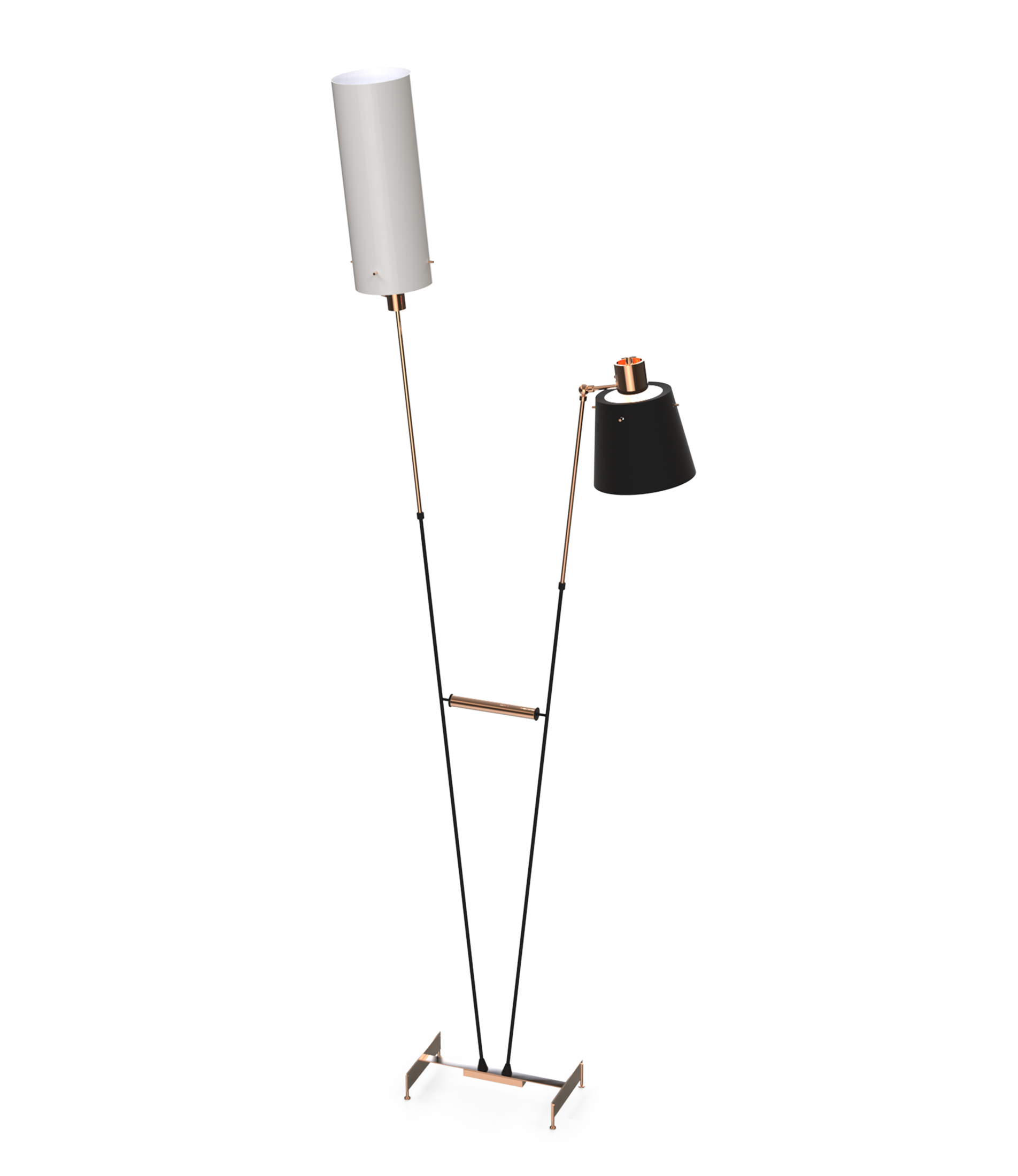
Much like Fargo tv show, leave nothing to chance in your home decor and pay attention to details. If you’re a mid-century modern design lover such as ourselves, make sure to use lamps that reflect that. Pastorius floor lamp effortlessly captures the easiness of the 70s.
READ MORE: Inside the Screen: How Mad Men Became a Mid-Century Modern Icon
You can visit DelightFULL’s Inspirations Page as well as our Pinterest boards in order to get more inspirations.
Get more ideas for your projects and find functional, stylish and sizable lighting and furniture choices. Make sure to download our ‘Interior Design Trends: Spring 2017‘ eBook!



